
Parenting10 min read
Moral lessons in classic kids' stories: guide
Keep classic morals simple: one clear lesson, one gentle question, and a calm audio close for ages 3–6.
Read moreBlog
Parenting tips, bedtime routines, and childhood development.
Keep classic morals simple: one clear lesson, one gentle question, and a calm audio close for ages 3–6.
Read more
Soft, simple sound cues—kept low, calm, and predictable—help young children settle during bedtime reading.
Read more
Short, familiar, calm bedtime stories—use a few personal details and a steady routine to help young children settle.
Read more
Shared audio storytime, steady routines, gentle touch, and a short post-story chat help deepen parent-child connection at bedtime.
Read more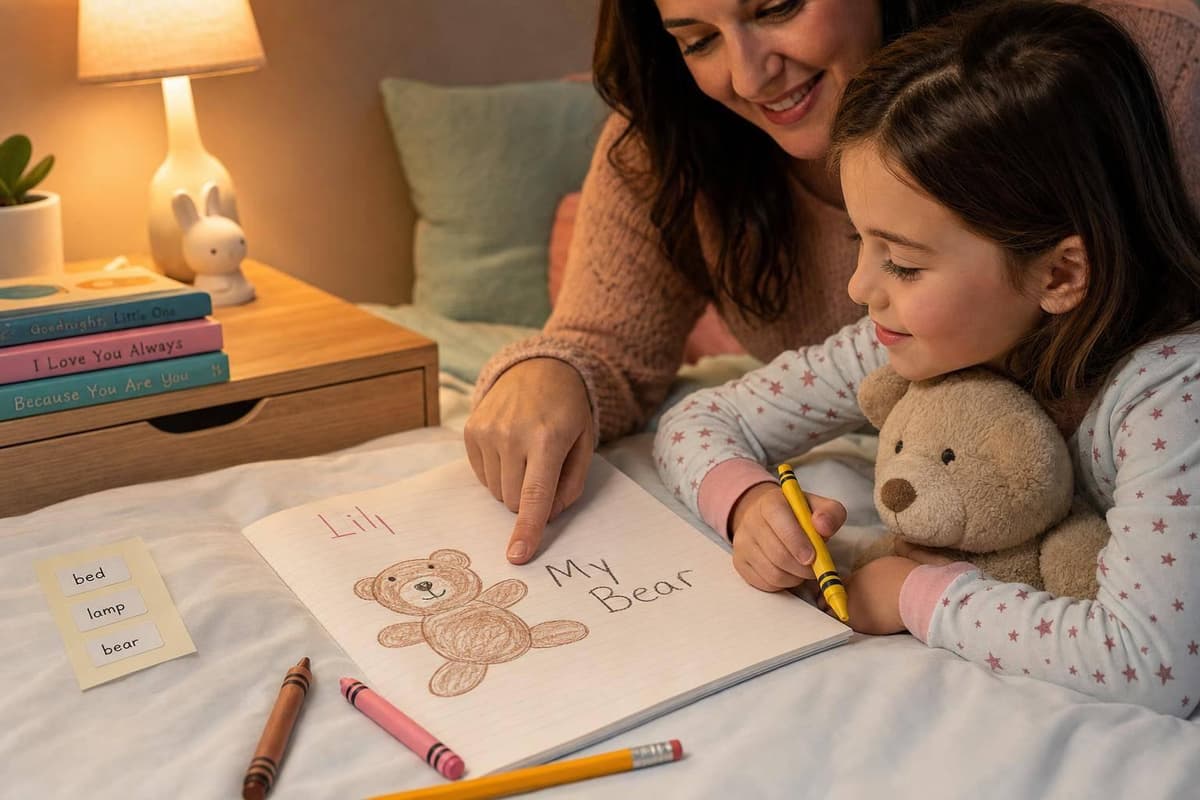
Turn bedtime into low-pressure writing practice: talk, draw, label, write one short page nightly to build early writing skills.
Read more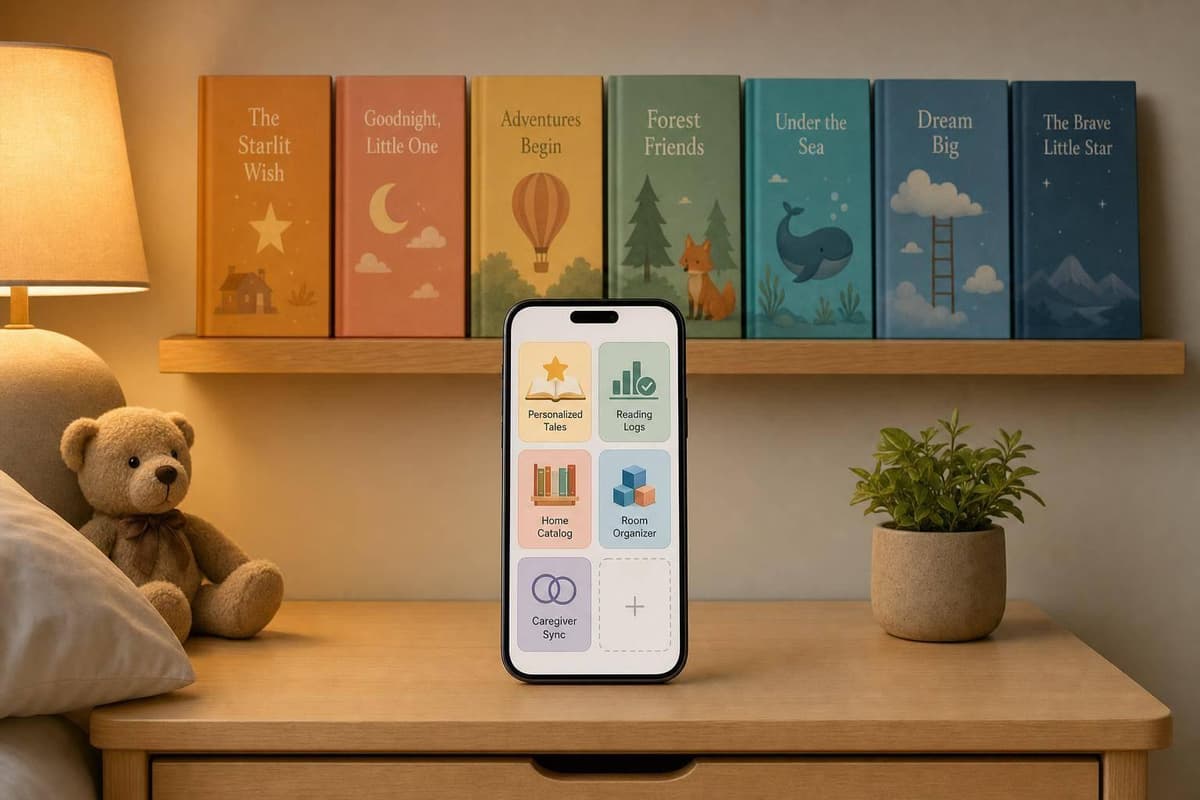
Compare five apps for bedtime story libraries: personalized tales, reading logs, home catalogs, room organizers, and caregiver sync.
Read more
Bedtime calm is a systems problem: clear routines, fair turns, roles, and seating stop sibling fights.
Read more
Make bedtime a calm back-and-forth: short, child-led dialogic reading to boost language, attention, and story understanding.
Read more
A short, gentle PMR routine to help kids release physical bedtime tension — squeeze, relax, then a calming story.
Read more
A short, calm nightly story - told the same way each night - turns bedtime into a reliable sleep cue for preschoolers.
Read more
Room and routine changes—dark, cool, quiet, clutter-free, plus a 30–60 minute wind-down—to help children sleep better.
Read more
A few gentle choices, voices, and simple props can turn bedtime reading into a calm, shared ritual that builds language and connection.
Read more